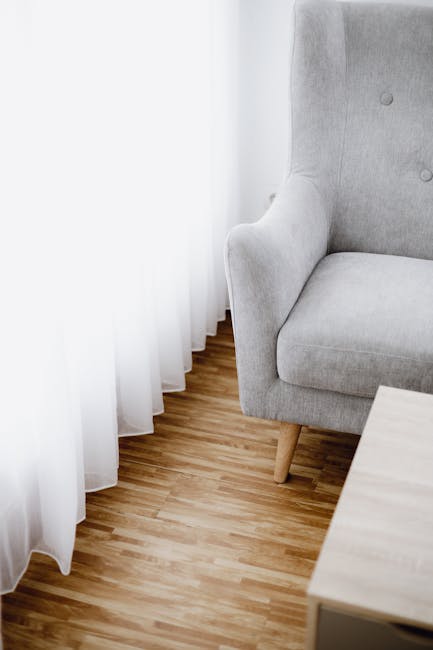
Eton Avenue upholstery cleaning guide Belsize Park homes
If you live near Eton Avenue in Belsize Park, you already know how quickly upholstered furniture can pick up everyday life: wet coats by the door, coffee on the arm of a sofa, dust drifting in after a busy week, the odd mystery mark that seems to appear overnight. This Eton Avenue upholstery cleaning guide Belsize Park homes is here to make the whole process feel less like a chore and more like a straightforward bit of home care. Whether you are looking after a family sofa, a favourite dining chair set, or a delicate occasional piece, the right approach can keep fabrics looking fresher, lasting longer, and feeling much more pleasant to use.
Truth be told, upholstery often gets cleaned only after something goes wrong. But by then, stains have settled, odours have clung on, and the fabric may already be wearing unevenly. In this guide, you will find practical steps, sensible UK best practice, common mistakes to avoid, and a realistic view of when DIY is enough and when a professional clean makes more sense. Nothing fussy. Just useful advice you can actually use.
For broader support with fabric and soft furnishing care, you may also want to look at the site's dedicated upholstery cleaning service and related sofa cleaning options if you need help with larger items or multiple pieces in one visit.
Table of Contents
- Why Eton Avenue upholstery cleaning guide Belsize Park homes Matters
- How Eton Avenue upholstery cleaning guide Belsize Park homes Works
- Key Benefits and Practical Advantages
- Who This Is For and When It Makes Sense
- Step-by-Step Guidance
- Expert Tips for Better Results
- Common Mistakes to Avoid
- Tools, Resources and Recommendations
- Law, Compliance, Standards, or Best Practice
- Options, Methods, or Comparison Table
- Case Study or Real-World Example
- Practical Checklist
- Conclusion
- Frequently Asked Questions
Why Eton Avenue upholstery cleaning guide Belsize Park homes Matters
Upholstery does a lot of quiet, invisible work in a home. It cushions, supports, softens a room, and takes the brunt of daily use without complaint. In a Belsize Park home, where people often care about both style and comfort, that matters more than you might think. A well-kept sofa or chair can make a room feel tidy and welcoming. A tired one can make the whole place feel a bit off, even if everything else is spotless.
The local setting also plays a role. Homes near Eton Avenue can see a mix of older fabrics, newer designer pieces, compact layouts, and pieces that are simply too good to replace. That is where upholstery cleaning becomes more than a vanity project. It helps preserve the fabric, manage allergens and odours, and protect the value of furniture you actually like using. You do not need to wait until something looks terrible. A cleaner piece usually means a more comfortable home day to day.
And let's face it, people notice upholstery. Guests see the sofa first. You sit on it every evening. Children, pets, bags, lunch spills, Sunday lounging... it all adds up. The small things become the big things.
Expert summary: Regular upholstery care is not just about appearance. It is about fabric life, comfort, hygiene, and avoiding the kind of damage that turns a simple clean into a costly replacement.
If you are already planning a larger refresh around the home, it can make sense to pair upholstery care with other domestic services such as deep cleaning or one-off cleaning when the space needs a proper reset rather than a quick tidy.
How Eton Avenue upholstery cleaning guide Belsize Park homes Works
Good upholstery cleaning is part science, part common sense. The exact method depends on the fabric, the filling, the age of the item, and the type of marks present. There is no single magic product that suits every sofa, and anyone promising that is usually oversimplifying things a bit.
In a typical professional-style process, the cleaner will first identify the fabric type and check the care label where available. That label matters more than people realise. It tells you whether the upholstery can handle water-based cleaning, solvent-based cleaning, or only specialist care. Once the fabric is assessed, the cleaner will test a small hidden area, remove loose dust and grit, treat spots carefully, and then use the most suitable cleaning method for the material.
For many homes, the key methods fall into a few broad groups:
- Dry soil removal: vacuuming and brushing to lift dust, crumbs, pet hair, and grit.
- Pre-treatment: applying a suitable solution to loosen body oils, food marks, and general grime.
- Controlled cleaning: using low-moisture, hot water extraction, foam, or specialist solvent methods depending on fabric type.
- Rinsing and extraction: removing residue so the fabric does not feel sticky or re-soil quickly.
- Drying and finishing: improving airflow and grooming fibres so the finish looks even.
That sequence sounds simple, but the skill is in doing each step without over-wetting, over-scrubbing, or using the wrong chemistry. Over-wetting is one of the quickest ways to cause trouble. You end up with slow drying, water marks, odour, or fabric distortion. Not ideal.
In homes with mixed surfaces, it is also common to think holistically. If your soft furnishings are due a refresh, nearby hard surfaces may need attention too, which is where a service such as hard floor cleaning can fit neatly into the same home-care plan.
Key Benefits and Practical Advantages
The best reason to clean upholstery is simple: it makes daily life nicer. Fresh fabric feels cleaner, smells better, and usually looks brighter. But the practical advantages go beyond appearances.
- Longer fabric life: dirt and grit act like fine sandpaper. Remove them, and the fibres last longer.
- Better indoor comfort: clean upholstery reduces that stale, lived-in feel that can build up in closed rooms.
- Improved presentation: if you entertain, rent out, or just like a polished home, clean soft furnishings lift the whole space.
- Odour control: spills, smoke, food smells, and pet odours cling to fabric surprisingly fast.
- Allergen reduction: regular cleaning helps reduce dust and debris trapped in fibres.
- Damage prevention: treating marks early reduces the chance of permanent staining.
There is also a psychological benefit, oddly enough. A clean sofa makes a room feel reset. You sit down, and it just feels calmer. That may sound small, but in a busy London home, small things count.
If your upholstery cleaning forms part of a wider refresh, it can be useful to pair it with a home-focused service such as house cleaning or broader domestic cleaning support, especially when you want the whole property to feel consistent rather than half-done.
Who This Is For and When It Makes Sense
This guide is useful for a wide range of Belsize Park homes, but especially for people who have furniture they care about enough to maintain properly. That includes homeowners, tenants, landlords, short-let hosts, and anyone with a decent sofa that was not cheap, frankly.
You may need upholstery cleaning if:
- your sofa has visible shading or traffic marks on the seats and arms
- there are food, drink, pet, or makeup stains
- the room smells slightly stale even after normal cleaning
- you are preparing for guests, a sale, or a rental inspection
- you have allergies and want to reduce dust build-up in soft furnishings
- the fabric looks dull, flat, or uneven in colour
- you have just finished decorating and dust has settled everywhere
Sometimes the timing is obvious. Sometimes it is less so. For example, a chair may not look dirty at all until you move it into stronger daylight near a window. Then, suddenly, the marks are right there. Very rude of them, but there we are.
There are also cases where it makes sense to book a more focused visit, especially if one piece has taken most of the damage. A recliner near the TV, a dining bench by the kitchen, or the family sofa in the main living room often needs more attention than the rest of the house.
Step-by-Step Guidance
Here is a practical route you can follow at home before deciding whether to clean the item yourself or call in help.
- Check the fabric label. Look for any care codes or cleaning instructions. If the label is missing, be cautious.
- Vacuum thoroughly. Use a soft brush attachment and get into seams, creases, under cushions, and along the base.
- Test a hidden area. This is not optional. Try your cleaner in a discreet spot and let it dry fully.
- Treat spots gently. Blot, do not rub. Rubbing can drive the stain deeper or rough up the pile.
- Work from the outside in. That helps stop the stain from spreading.
- Use the least aggressive method first. Start mild and only escalate if needed.
- Control moisture. Too much liquid causes headaches later, especially on natural fibres or delicate fills.
- Dry properly. Open windows if weather allows, use airflow, and do not sit on the furniture until it is genuinely dry.
For many fabrics, the best result comes from cleaning a little, checking the response, then continuing. It is slower, yes, but safer. And safer usually wins.
If you are considering professional help, it can be worth reviewing the company's background and approach and checking practical details such as insurance and safety before you book. That is just sensible due diligence.
Expert Tips for Better Results
A few small habits make a big difference. In our experience, they are the difference between a decent clean and a really good one.
- Vacuum before stains set in. Dirt embedded in fibres is harder to remove later.
- Rotate cushions. It spreads wear more evenly and helps fabrics age gracefully.
- Blot spills immediately. A clean white cloth or paper towel is fine; keep it simple.
- Use gentle ventilation. Fresh air helps drying and reduces lingering odours.
- Keep pets and children off damp fabric. Easier said than done, obviously.
- Consider the room as a whole. If curtains, carpets, and upholstery all hold dust, the room will still feel tired.
One practical tip people overlook: photograph a stain before cleaning it. That gives you a reference point if you are trying different treatments. It also helps you remember what you actually changed. Handy when you are staring at a patch of fabric three days later wondering, was it always that shape?
When a home needs a broader refresh, some residents also choose a combined clean that includes items like rug cleaning or window cleaning, because once one visible area looks fresher, the rest tends to stand out. Funny how that works.
Common Mistakes to Avoid
Upholstery cleaning goes wrong most often for very ordinary reasons. No drama, just avoidable slip-ups.
- Using too much water: this can leave rings, slow drying, or odour in the padding.
- Scrubbing hard: it frays fibres and spreads some stains instead of lifting them.
- Ignoring the fabric code: not all materials tolerate the same process.
- Using bleach or harsh chemicals: these can remove colour as well as dirt. Not the look you want.
- Cleaning only the stain: spot cleaning without blending can leave obvious tide marks.
- Skipping drying time: sitting on damp upholstery compresses the pile and can create repeat marks.
- Assuming all furniture is the same: velvet, linen, wool blends, synthetics, and leather-look materials all behave differently.
Another big one: overconfidence after one successful clean. We have all done it. The first chair comes up nicely, so the second one gets a bit more product, a bit more pressure, a bit more of everything. That is usually where trouble begins. Best to stay measured.
Tools, Resources and Recommendations
You do not need a giant toolkit to care for upholstery well. A few reliable items are enough for routine maintenance.
- Vacuum with upholstery attachment: the starting point for almost every job.
- Soft brush: useful for loosening dust before vacuuming.
- Clean white cloths: best for blotting because they show transfer clearly.
- Microfibre cloths: helpful for light surface work, but use carefully on delicate pile fabrics.
- Fabric-safe cleaning solution: always match the product to the material where possible.
- Fan or open window: simple airflow helps more than people expect.
For service planning, the site's pricing and quotes information can help you think through what kind of job you actually need, while payment and security details are worth a quick look if you prefer to know the practical side before confirming anything.
If you are choosing between doing it yourself and hiring a professional cleaner, weigh these questions:
- Is the fabric delicate or expensive?
- Has the stain been there for a while?
- Is the item large, awkward, or heavily used?
- Do you have time to let it dry properly?
- Would a wrong method risk permanent damage?
If the answer to more than one of those is yes, professional cleaning starts to make a lot of sense.
Law, Compliance, Standards, or Best Practice
For homeowners, upholstery cleaning is usually more about best practice than formal regulation. Still, there are sensible UK expectations worth following. Safe handling of cleaning products, proper ventilation, and careful use of equipment all matter. If you hire a cleaner, you should expect them to work carefully around flooring, electrics, furnishings, and any vulnerable areas of the property.
For landlords, tenants, and managing agents, the practical goal is usually to leave the furniture in a clean, presentable condition and avoid disputes about damage or avoidable staining. In end-of-tenancy situations, upholstery is often judged on cleanliness and general condition rather than perfection, so documentation and realistic expectations help.
Industry best practice also leans toward:
- testing first on hidden areas
- matching the method to the fabric type
- using the least aggressive technique that will still work
- avoiding residue that attracts more dirt later
- ensuring adequate drying before normal use
If you are booking a company to work in your home, it is reasonable to review their policies, such as health and safety, terms and conditions, and privacy policy. That is not being fussy. It is just a decent way to protect your home and your expectations.
Options, Methods, or Comparison Table
Different upholstery cleaning methods suit different situations. Here is a simple comparison to help you decide what makes sense.
| Method | Best for | Pros | Watch-outs |
|---|---|---|---|
| Vacuuming and light spot care | Routine maintenance, fresh marks | Quick, low-cost, safe for most fabrics | Won't remove deeper grime or old odours |
| Foam or low-moisture cleaning | More delicate fabrics, moderate dirt | Lower drying time, gentler moisture use | May be less effective on heavy soil |
| Hot water extraction | Synthetic fabrics, heavily used upholstery | Deep cleaning, good for embedded dirt | Needs careful drying and fabric suitability checks |
| Solvent-based cleaning | Some delicate or specialist fabrics | Useful where water is risky | Must be matched correctly to the material |
| Professional multi-step clean | High-value furniture, stubborn stains, multiple items | Best overall control and finish | Usually the most expensive option |
There is no universally best method. The right choice depends on the fabric and the level of soil. A safe, moderate clean beats a heroic one every time.
Case Study or Real-World Example
A fairly typical local scenario goes like this. A family living off Eton Avenue has a three-seater sofa in a bright front room. It looked fine for months, then they noticed dark marks on the seat fronts and a faint smell from one arm where drinks and snacks had become, well, part of the furniture. Nothing dramatic, just that slow build-up you stop noticing until one afternoon with good daylight.
They started with vacuuming, then tested a small hidden patch because the fabric had no obvious label. The first attempt was deliberately gentle. No scrubbing, no soaking. The marks lightened, but the fabric still looked uneven, so they stopped there rather than pushing harder. Sensible call. A follow-up professional clean finished the job more evenly and avoided the patchy finish that can happen when DIY products are used in sections.
The useful lesson? Not every item needs aggressive treatment. Sometimes the smartest move is to pause early, preserve the fabric, and choose a better method later. That is especially true for furniture in homes where style matters and replacement is not a casual decision.
Practical Checklist
Use this before you clean any upholstered item at home.
- Check the care label if there is one
- Vacuum the entire item, including seams and corners
- Test any product on a hidden patch
- Blot stains rather than rubbing them
- Keep moisture under control
- Use clean cloths, not coloured towels that may transfer dye
- Allow full drying before use
- Open windows or use airflow where practical
- Stop if the fabric changes colour, texture, or smell unexpectedly
- Consider a professional clean for valuable, delicate, or heavily soiled pieces
Practical takeaway: the best upholstery cleaning is usually the calm, careful kind. Slow enough to be safe, thorough enough to matter.
If your home needs more than upholstery attention, a broader refresh using a trusted cleaning company can be a good way to coordinate different tasks without turning your week upside down. And if you prefer a one-off reset rather than ongoing visits, the site's one-off cleaning option may be a better fit.
Conclusion
Upholstery cleaning for Eton Avenue and the wider Belsize Park area is really about looking after the things you live with every day. Clean furniture feels better, lasts longer, and makes a home easier to enjoy. The main thing is to match the method to the fabric, keep moisture under control, and resist the urge to overdo it.
If you take only one thing from this guide, let it be this: small regular care prevents big problems later. A quick vacuum, a careful blot, the right drying time, all that boring-sounding stuff. It works. And it saves you from those awkward "why did I leave that stain so long?" moments a few months down the line.
For homes that need a more complete refresh, you can combine upholstery care with related services like carpet cleaning or a focused sofa clean to bring the whole room back into balance.
Get a free quote today and see how much you can save.
And if you are unsure where to begin, that is perfectly normal. Start gently, stay patient, and treat the fabric with a bit of respect. It usually gives you a very decent result in return.
Frequently Asked Questions
How often should upholstery be cleaned in Belsize Park homes?
For most homes, routine vacuuming should happen regularly, while deeper upholstery cleaning is usually best done when the fabric starts to look dull, feel sticky, or hold odours. High-use sofas may need attention more often than occasional chairs.
Can I clean upholstered furniture myself?
Yes, if the fabric is suitable and the marks are light. The key is to vacuum well, test products on a hidden area, and avoid over-wetting. If the item is expensive, delicate, or stained deeply, professional cleaning is safer.
What is the biggest risk when cleaning upholstery at home?
Over-wetting is one of the main risks. It can lead to slow drying, water marks, unpleasant smells, or damage to the padding. Scrubbing too hard is another common issue.
How do I know what fabric my sofa is made from?
Check the care label if it is still present. If there is no label, use extra caution and test any cleaning product in a hidden area. When in doubt, treat the fabric as delicate until you know more.
Will upholstery cleaning remove old stains?
Sometimes, yes, but not always completely. Older stains often bond with the fibres or padding, so results depend on the fabric, the stain type, and how long it has been there. A gentle approach is still the right start.
Does upholstery cleaning help with smells?
It often does, especially when smells come from everyday use, pets, food, or general build-up in the fibres. If the odour has soaked into the padding, deeper cleaning may be needed.
Is hot water extraction safe for all upholstery?
No, it is not suitable for every fabric. It can work very well on the right materials, but delicate fibres or special finishes may need a different method. Fabric testing comes first.
How long does upholstery take to dry?
Drying time varies by fabric, cleaning method, room temperature, and airflow. Good ventilation helps a lot. It is best not to use the furniture again until it is fully dry.
Should I clean the whole sofa or just the stain?
Cleaning only the stain can leave visible rings or patchiness. In many cases, treating a larger section or the whole piece gives a more even finish.
What should I ask before booking a cleaner?
Ask what method they use, whether they test fabrics first, how they handle drying, and whether they have insurance and clear terms. Those questions are practical, not pushy.
Can upholstery cleaning be combined with other home cleaning tasks?
Yes. Many people combine it with carpet, rug, or general home cleaning so the room feels fully refreshed rather than just partly cleaned. It can be a smarter use of time too.
What if my furniture has no care label?
Use caution. Test a small hidden area with the mildest suitable product, or consider a professional clean if the item is valuable or the fabric seems sensitive. No label usually means no shortcuts.