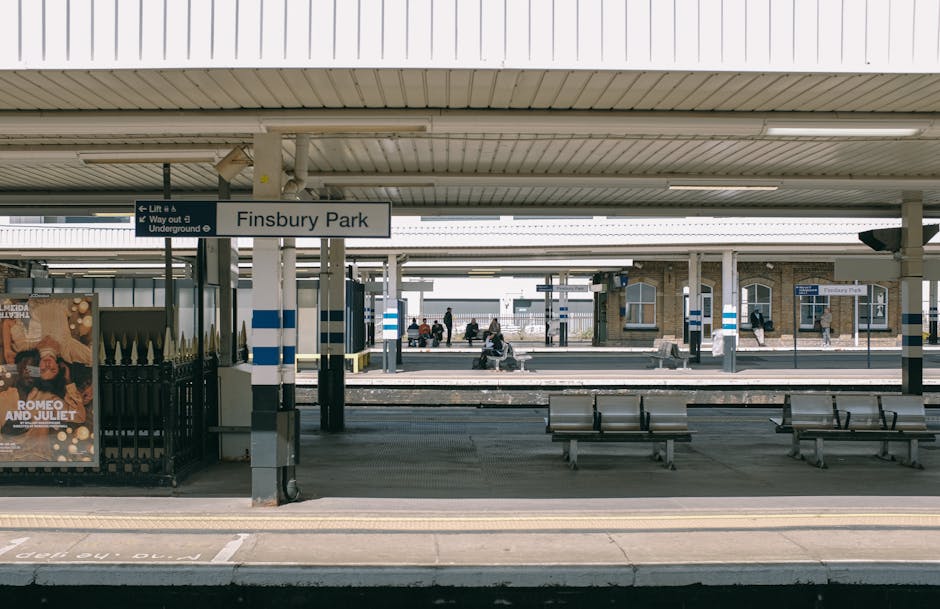
Belsize Park cleaning guide for Belsize Park Station commuters
If you commute through Belsize Park Station, you already know the rhythm: early exits, packed trains, late returns, and that slightly frazzled feeling when the day runs long. A smart Belsize Park cleaning guide Belsize Park Station commuters can make a real difference. Not in a dramatic, magazine-perfect way, but in the practical sense that matters most: your flat feels calmer, your carpets and floors last longer, and your weekly reset stops becoming a whole weekend event.
This guide is built for busy London routines. It looks at what cleaning priorities actually matter around Belsize Park, how to organise them around commuting, when to use professional help, and how to avoid the common mistakes that make homes feel messier than they need to. We will keep it grounded, local, and useful. No fluff. Just the stuff that helps on a Tuesday morning when you are half out the door and wondering why the hallway already looks like a small disaster.
Why Belsize Park cleaning guide Belsize Park Station commuters Matters
Commuters tend to live in short bursts. Breakfast is brief, cleaning gets postponed, and the home starts to absorb the pace of the journey. Shoes gather grit from the pavement. Coats shed dust and rain. Kitchen counters get used fast and wiped down even faster. Before long, the everyday mess is no longer tiny; it is just constant.
That is why a local cleaning guide matters. Belsize Park has the usual London combination of compact homes, frequent foot traffic, and limited storage. In that setting, cleaning is less about spring-clean perfection and more about control. A good routine stops dirt from building up in carpets, on hard floors, around skirting boards, and in high-touch areas like door handles and switch plates.
It also helps commuters protect their time. If you commute to central London, you likely have a narrow window for anything domestic. The cleaner and more repeatable your system, the less likely you are to spend Sunday evening doing a tired reset while the kettle boils for the third time. To be fair, nobody wants that.
There is another reason this matters: London properties can be sensitive to neglect. Damp shoes, winter grime, pet hair, food splashes, and rushed tidying all add up. Over time, they affect appearance and hygiene, and they can shorten the life of soft furnishings and flooring. A measured approach saves effort later.
How Belsize Park cleaning guide Belsize Park Station commuters Works
The simplest way to think about this guide is in layers. You do not need to clean everything every day. That would be unrealistic, and frankly a bit much. Instead, the idea is to separate cleaning into three levels: quick daily upkeep, weekly maintenance, and occasional deeper work.
Daily upkeep is the small stuff: wiping the kitchen, clearing the sink, airing rooms for a few minutes, and giving the hallway a quick sweep if outdoor dirt has been tracked in. This takes very little time, but it keeps the property from slipping into "I will sort it at the weekend" territory.
Weekly maintenance covers vacuuming, mopping hard floors, changing bed linens, dusting reachable surfaces, and cleaning bathroom fixtures. For commuters, this usually works best as one focused block rather than several scattered attempts. If you start on Saturday morning with a plan, you are far less likely to drift into endless tidying.
Deep cleaning is the slower, more detailed layer. That might include carpet cleaning, upholstery care, oven cleaning, inside cupboards, or a proper bathroom descale. This is where professional support can be useful, especially if the home sees heavy use or you simply do not want your limited free time swallowed by the job.
If you use a professional cleaning company, the process is usually straightforward: you decide what needs doing, choose the service level, confirm any access notes, and book a time that fits around work. For homes near a station, flexible arrival windows can be especially handy. And if you are comparing service types, it is worth looking at options such as deep cleaning, domestic cleaning, or one-off cleaning depending on whether you need regular support or a single reset.
Key Benefits and Practical Advantages
A good commuter-friendly cleaning routine brings benefits that are more practical than glamorous, but that is exactly the point.
- Less visible dirt in entry areas. Hallways and doorways usually collect the most grime first.
- Better indoor air quality feel. Regular dust removal from fabrics and surfaces makes rooms feel fresher.
- Longer life for flooring and textiles. Grit on carpets and hard floors acts like sandpaper over time.
- Faster weekday exits. If your place is organised, you waste less time searching for keys, shoes, or commuter bits.
- Less stress after late returns. Coming home to a tidy flat at 9pm is one of those small joys you notice immediately.
One of the biggest hidden advantages is mental. Clutter and surface dirt can make a home feel busier than it really is. A cleaner space tends to make mornings smoother, which in turn makes commuting feel slightly less relentless. That is not magic, just good housekeeping.
There is also a money angle, even if nobody likes talking about it. Dirt that settles into carpets, sofas, rugs, and grout does not usually stay polite. It becomes harder to remove later, and you may end up needing more intensive treatment. Regular upkeep is usually the cheaper route in the long run. Not always. Usually.
Who This Is For and When It Makes Sense
This guide is especially useful if you are any of the following:
- a daily commuter using Belsize Park Station and short on time;
- a renter trying to keep a flat presentable without spending every spare hour cleaning;
- a homeowner who wants a manageable routine instead of a full reset every week;
- a house share resident dealing with higher foot traffic and shared mess;
- someone preparing for guests, inspections, or a move;
- a busy professional who prefers to outsource some or all of the cleaning load.
It also makes sense if your home picks up extra wear from pets, children, wet weather, or open-plan living. Those spaces get messy in a very ordinary way: crumbs under the table, paw marks near the door, coffee splashes by the sofa, that sort of thing. Nothing dramatic, just persistent.
If you are in the middle of a change, such as moving home or finishing a renovation, a deeper service may be more suitable. In those cases, some people also consider end of tenancy cleaning or after builders cleaning to get the property back into proper shape.
Step-by-Step Guidance
Here is a practical routine that works well for commuters. It is not the only way, but it is a solid starting point.
- Start with the entryway. Shoes, umbrellas, bags, and coats bring in most of the outdoor mess. Keep this zone as simple as possible.
- Do a five-minute evening reset. Clear surfaces, wipe the kitchen, and put away anything that migrates across the flat during the day.
- Vacuum high-traffic routes first. Hallways, living-room paths, and areas near the bed often collect the most dust and grit.
- Clean the bathroom in a consistent order. Basin, taps, toilet, mirror, then floor. A repeatable order saves mental energy.
- Give the kitchen special treatment. The sink, hob, and worktops matter more than decorative tidiness. Food residue becomes harder to remove if left too long.
- Rotate deeper tasks. One week do skirting boards, the next week do window ledges, then the inside of the fridge. Little rotations keep the workload realistic.
- Book specialist help when needed. If upholstery looks tired, carpets are flattened, or the oven has gone beyond a simple wipe, bring in dedicated support.
In practice, the best routine is the one you can actually repeat. If a 20-minute plan works on most weeknights, that is better than an ambitious two-hour routine that only happens once a month. Consistency beats drama.
For many households, it helps to divide the home into zones: arrival zone, cooking zone, sleeping zone, and washing zone. That sounds very tidy on paper, I know, but in real life it just means you are less likely to clean the same patch twice while missing the one that matters.
Expert Tips for Better Results
Small changes make a surprisingly big difference in commuter homes.
1. Clean from top to bottom. Dust falls. It always does. If you start on the floor and then dust a shelf, you are doing the job twice. A top-down order is slower to think about and faster to complete.
2. Keep one kit ready to go. A compact caddy with cloths, a vacuum attachment, a bathroom spray, and an all-purpose cleaner removes excuses. If you have to assemble a cleaning expedition every time, you will delay it. Human nature, really.
3. Focus on edges and hidden spots. Commuter homes often look fine in the middle and tired around the margins. Under radiators, behind doors, along skirting, and under sofas are the areas that quietly change the whole feel of a room.
4. Protect soft furnishings early. Carpets, sofas, rugs, and mattresses are easier to maintain than to rescue. If the fabric is starting to look dull or hold odour, it may be time to look at carpet cleaning, sofa cleaning, rug cleaning, or upholstery cleaning.
5. Work with your commute, not against it. Early morning people may prefer light evening tidying and one longer weekend clean. Evening commuters may do the opposite. There is no prize for copying someone else's rhythm.
6. Use seasonal timing. Winter means more wet footprints and road grit. Summer can bring more open windows and dust. In a city setting, the cleaning plan should shift a little with the weather.
If you are looking for help rather than a DIY-only routine, it is reasonable to compare a local cleaning company or individual cleaners depending on the scale of the job. A smaller recurring arrangement may be enough for some homes, while others need a more structured service.
Common Mistakes to Avoid
Let's face it, most cleaning problems are not caused by laziness. They are caused by the same few predictable mistakes.
- Waiting until everything feels overwhelming. Dirt is easier to manage before it settles in.
- Using the wrong product on the wrong surface. That can dull finishes, stain fabric, or make a floor feel sticky.
- Ignoring entry points. The doorway, hallway, and boot area are usually the true mess-makers.
- Cleaning only what is visible. The visible layer is not the whole story, unfortunately.
- Overloading one weekend. If you try to do the whole home in one go, you may burn out and stop for longer.
- Forgetting maintenance on soft furnishings. Sofas and carpets collect more than crumbs; they hold dust, oils, and daily wear.
Another common one: buying three different products for one task and then not remembering which is which. That is very London flat behaviour, if you ask me. Tidiness is not just about wiping surfaces. It is about making the process simple enough that you will actually do it next week too.
Tools, Resources and Recommendations
You do not need a massive toolkit. In fact, a smaller kit often works better because it is easier to store and faster to use.
- a reliable vacuum with attachments for corners and upholstery;
- microfibre cloths for dusting and wiping;
- a mop suitable for your floor type;
- one general cleaner and one bathroom-specific cleaner;
- a small scrub brush for grout, taps, and edges;
- a laundry basket or caddy for quick room-by-room collection;
- storage boxes or baskets for commuter items like chargers, keys, and hats.
If your property has hard flooring, it can be useful to plan regular care separately from general tidying. A dedicated hard floor cleaning approach helps protect finishes and keep traffic lanes looking presentable.
For high-use kitchens, oven cleaning is often the task people keep delaying. A proper oven cleaning service can be worth it if grease has become stubborn or you simply do not want to face the scrubbing. No shame in that at all.
And if windows are making the whole place feel grey, especially after a long winter, window cleaning can make a room look fresher than you might expect. It is one of those jobs that feels minor until you notice the difference in daylight.
Law, Compliance, Standards, and Best Practice
For most home cleaning, the main concern is not regulation in a strict legal sense; it is safe and sensible practice. That said, it is worth paying attention to a few important principles.
First, if you are hiring a provider, check that they are clear about insurance, safety, and their working practices. You are not being difficult by asking. You are being sensible. A trustworthy provider should be able to explain how they handle access, equipment, chemicals, and any risks around delicate surfaces. Services such as insurance and safety and the health and safety policy help set expectations in plain language.
Second, if cleaning involves detergents or more intensive work, good ventilation matters. Open a window where practical, especially in bathrooms and kitchens. It sounds obvious, but in a hurry people forget. A little airflow can make a big difference.
Third, if you are living in a rented home, keep your own records of what has been cleaned, what needs reporting, and whether there is anything suspiciously damp or damaged. That protects everyone involved and avoids confusion later.
Finally, choose providers who are transparent about terms, prices, and complaints handling. That sounds basic, but it is a mark of professionalism. It helps create a cleaner process, not just a cleaner room.
Options, Methods, and Comparison Table
Different homes need different approaches. Here is a simple comparison to help you choose the right level of support.
| Approach | Best for | Typical strengths | Possible downside |
|---|---|---|---|
| DIY upkeep | Light daily mess and organised homes | Low cost, flexible, easy to maintain | Easy to slip on busy weeks |
| Weekly domestic cleaning | Busy commuters, families, house shares | Consistent standards, saves time, keeps on top of dust | Requires planning and budget |
| Deep cleaning | Longer gaps between cleans, seasonal refresh, special events | Reaches built-up grime and hidden areas | Takes longer and can feel more intensive |
| Specialist cleaning | Carpets, sofas, ovens, rugs, post-build mess | Targets stubborn problem areas properly | Not always needed for every property |
In many Belsize Park homes, the winning formula is a mix: light DIY through the week, recurring domestic support if needed, and occasional specialist cleaning for the jobs that take too long to do well by hand. That balance keeps things realistic.
Case Study or Real-World Example
Imagine a one-bedroom flat near the station, occupied by someone who leaves early and gets back after 7pm most weekdays. The flat is tidy enough at a glance, but the hallway floor is constantly marked by outdoor grit, the sofa has started to look dull, and the oven has become one of those "I will deal with that later" situations. Sound familiar?
In that kind of home, the smartest move is usually not a full clean every evening. It is a targeted routine:
- quick entryway sweep twice a week;
- bathroom reset on Wednesday night;
- vacuuming and dusting on Saturday morning;
- occasional upholstery or carpet treatment every few months;
- professional oven cleaning when buildup starts affecting cooking or smell.
What changes most is not the appearance on day one. It is the sense that the home stops fighting back. You unlock the door, drop your bag, and the place does not immediately ask for attention. That is a nice feeling after a long commute, truth be told.
For larger properties, or homes that have just been renovated, more structured support can be useful. Some people choose house cleaning for regular upkeep, while others need a focused visit from home cleaners to get back on track.
Practical Checklist
Use this as a quick commuter-friendly reset. It is intentionally simple.
- Take shoes off near the entrance.
- Wipe hallway and kitchen surfaces that collect daily dust.
- Empty bins before they overflow.
- Vacuum the main walking routes.
- Clean sink, taps, and worktops.
- Air rooms for a short time if weather allows.
- Check sofas, rugs, and carpets for visible spots.
- Rotate one deeper task into the week.
- Book specialist help before build-up gets out of hand.
- Review what is working and what is just creating more hassle.
Expert summary: for Belsize Park commuters, the best cleaning plan is not the most ambitious one. It is the one that keeps entrances, kitchens, floors, and fabrics under control without stealing your evenings. Keep it simple, stay consistent, and use professional support when the job stops being practical on your own.
Get a free quote today and see how much you can save.
Conclusion
A good Belsize Park cleaning routine should fit the real shape of commuter life. Early trains, late arrivals, limited time, and a home that needs to feel welcoming rather than demanding. The goal is not perfection. It is a space that stays clean enough to be restful, practical enough to manage, and easy enough to maintain without constant effort.
If you build your routine around entryway dirt, weekly resets, and the occasional specialist clean for carpets, upholstery, floors, or ovens, you will usually get the best balance of effort and result. That balance is the whole game. And once it clicks, home feels a lot more like home.
Keep going, even if it is just one small task at a time. The little wins add up quietly.
Frequently Asked Questions
What is the best cleaning routine for Belsize Park Station commuters?
The best routine is usually a short daily reset, one weekly deeper clean, and occasional specialist help for high-wear areas like carpets, sofas, and ovens. Keep the routine simple enough to repeat.
How often should a commuter home be professionally cleaned?
That depends on foot traffic, pets, children, and how much time you have. Many people choose a recurring clean every week or two, then add a deeper service when the home starts to feel tired.
Is deep cleaning worth it for a small flat?
Yes, often it is. Small flats can build up grime quickly because rooms are used heavily and storage is limited. A deep clean can reset the space and make regular upkeep easier.
What areas get dirty fastest in a commuter household?
Hallways, kitchen counters, bathroom fixtures, and the main walking paths in living rooms usually collect dirt first. Fabrics like rugs and sofas also show wear sooner than people expect.
How can I keep floors cleaner during wet London weather?
Use a good doormat, remove shoes near the entrance, sweep grit regularly, and mop hard floors before dirt spreads. If you have carpets, vacuum more often during wet months.
Do I need specialist cleaning for carpets and sofas?
If you notice dullness, stubborn marks, odour, or heavy traffic wear, specialist cleaning is often a good idea. It is especially useful before guests, after a long winter, or when regular vacuuming is no longer enough.
What is the difference between regular cleaning and one-off cleaning?
Regular cleaning keeps the home on a steady maintenance schedule. One-off cleaning is more suited to a reset, a busy period, or a property that has slipped behind and needs a bigger intervention.
How do I choose between DIY cleaning and hiring help?
If the job is quick, repeatable, and easy to store away, DIY may be enough. If it is time-consuming, physically tiring, or difficult to do well on your own, hiring help is usually the smarter choice.
What should I ask before booking a cleaning company?
Ask what is included, how access works, whether they are insured, what products they use, and how they handle complaints or special requests. Clear answers are a good sign.
Can cleaning help reduce the stress of commuting?
Surprisingly, yes. A tidy home makes mornings smoother and evenings less draining. It removes a layer of small decisions, which matters more than people think after a long day.
When should I book oven or window cleaning?
Book oven cleaning when grease has built up enough to affect use or smell, and window cleaning when the light in your home starts looking dull or dusty. Both jobs can make a bigger difference than their size suggests.
Where can I find more information about service standards and policies?
It is sensible to review the provider's public information, including their about us, pricing and quotes, terms and conditions, and privacy policy before booking. That helps set expectations clearly from the start.